I just don't like Tripods but I think it has affected my Photography?
Why I Don’t Like Photography Tripods
Rethinking Stability in the Creative Process
Tripods are the reliable, three-legged workhorses of the photography world, beloved by landscape artists, nighttime shooters, and anyone who appreciates the magic of a razor-sharp long exposure. Their unwavering presence at the side of professionals is almost mythical. Yet, despite their revered status, I’ve never truly warmed to photography tripods. If anything, I find myself instinctively resisting them, preferring instead the freedom and unpredictability of shooting handheld. My distaste isn’t born of mere contrariness—it’s rooted in a set of frustrations and philosophical qualms that have only grown clearer with each encounter.
The Burden of Bulk and Weight
The first and most immediate grievance: tripods are cumbersome. Even so-called “travel tripods,” designed with portability in mind, seem to bloat in size and weight after an hour of walking. I recall hiking up a forested hillside before dawn, the world silent except for the crunch of leaves underfoot and the clank of aluminum against my backpack. The tripod, meant to be an asset, felt like a yoke. By the time I reached my destination, every creative impulse had been dulled by the ache in my shoulders. Photography, at its best, is a dance—fluid, spontaneous, and reactive. Lugging around a tripod turns that dance into a slow, plodding march.
Interruptions to Creative Flow
Photography, for me, is about responding to the world as it unfolds. There’s an aliveness to seeing a fleeting ray of light or a sudden shift in the mood of a scene—and acting on it instantly. Tripods, with their screws, locks, and telescoping legs, interrupt that flow. By the time I’ve wrestled the thing into position, levelled its head, and framed my shot, the moment has often whisked itself away. I sometimes think tripods are the enemies of serendipity, insisting on deliberation when what I crave is immediacy.
Constraints on Perspective and Movement
A tripod fixes your camera in space, anchoring it with gravity’s permission. For some, this is a virtue; for me, it’s a shackle. I find that my best photographs come when I’m able to move freely, crouch low, stand on tiptoe, angle the lens from odd positions. With a tripod, my explorations are dictated by the limitations of the gear: the maximum extension of the legs, the unevenness of the ground, the awkwardness of shooting in tight spaces. It transforms the camera from an extension of my eye into a machine bolted to the floor.
The Myth of Absolute Sharpness
Tripods are often justified by the promise of sharpness, of clinical detail preserved across every pixel. But sharpness, beyond a certain point, becomes an obsession that can distract from the emotional weight of a photograph. Some of my favourite images are the ones with a slight blur, a sense of motion, a whisper of imperfection. Life doesn’t stand still for us, nor should our photographs always pretend that it does. In a quest for technical perfection, the tripod can rob an image of its soul.
Modern Technology Makes Handheld Shooting Practical?
The rise of image stabilization in both cameras and lenses, as well as improvements in high-ISO performance, has made tripod use less of a necessity than ever before. I can shoot at dusk or even under the city’s sodium-orange lights and still achieve usable images. The convenience of leaving the tripod at home means I can move quickly, react to opportunities, and work in environments where setting up a tripod would be impractical or even prohibited.
Social and Practical Limitations
Tripods are not subtle. In crowded places or sensitive environments—think museums, busy streets, or events—they’re an impediment and a potential hazard. Setting up a tripod in a busy location draws unwanted attention, and I’ve been asked to move along more times than I care to count. Worse, some venues ban tripods outright due to safety concerns or the risk of blocking pathways. Being able to shoot discreetly and respectfully is important to me, and tripods are often incompatible with that ethos.
The Intangible: Creative Restlessness
Perhaps my strongest objection is intangible. There’s a restlessness that drives my photography—a desire to chase the unexpected, to be nimble and responsive, to let intuition guide my framing and focus. Tripods, for all their merits, seem to flatten that energy. They force me to slow down in ways I don’t find productive. My work becomes more calculated, less visceral. I long for the freedom to “see” and respond, unmediated by a piece of gear standing between me and the world.
Exceptions and Counterpoints
Of course, I’d be remiss not to acknowledge that tripods have their place. When shooting at night, capturing the movement of stars, or dabbling in long exposures by the ocean, nothing can substitute for the stability a good tripod provides. There are genres—architecture, macro, studio work—where precision is paramount, and a tripod is indispensable. But for the majority of my work, those moments are the exception, not the rule.
Personal Preference, Not Universal Truth
It’s important to note that my aversion to tripods is deeply personal. Some photographers thrive on the contemplative pace that tripods enforce. For them, the act of setting up is part of the ritual, a way of slowing down and engaging more deeply with the scene. I respect that—and on rare occasions, I even envy it. But for me, the cost is too high, the trade-off not worth it. The world is too full of wonder to spend my time fussing with leg locks and spirit levels.
Conclusion: Embracing Fluidity
Ultimately, my dislike of photography tripods is as much about philosophy as it is about practicality. I crave mobility, spontaneity, and a direct connection with my subject. Tripods can be tools of precision and patience, but they come at the expense of flexibility and flow. Photography, for me, is less about achieving geometrical perfection and more about capturing the fleeting pulse of life. As technology continues to improve, I find fewer and fewer reasons to burden myself with a tripod, preferring instead the unpredictability and immediacy that handheld shooting allows.
So, while I will always keep a tripod tucked away for those rare, demanding situations, I’ll continue to leave it behind for most adventures—free to roam, to react, and to see the world without three legs slowing me down.
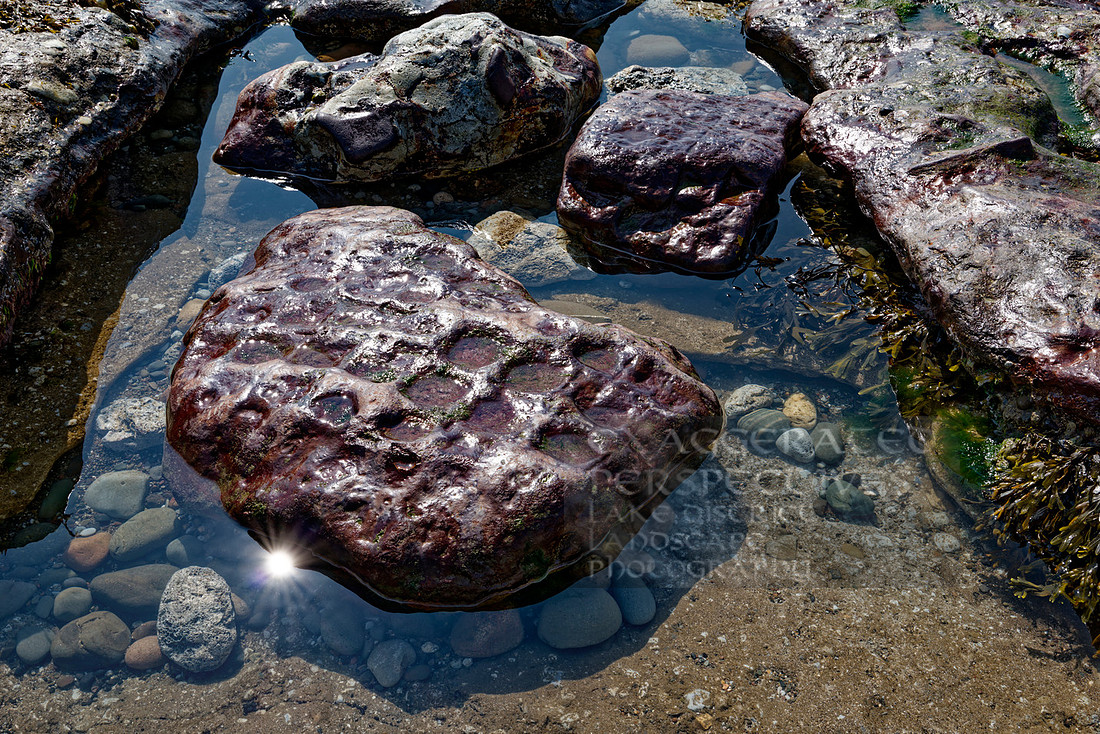
And just for good measure a shot taken "Without" a tripod!
Jules