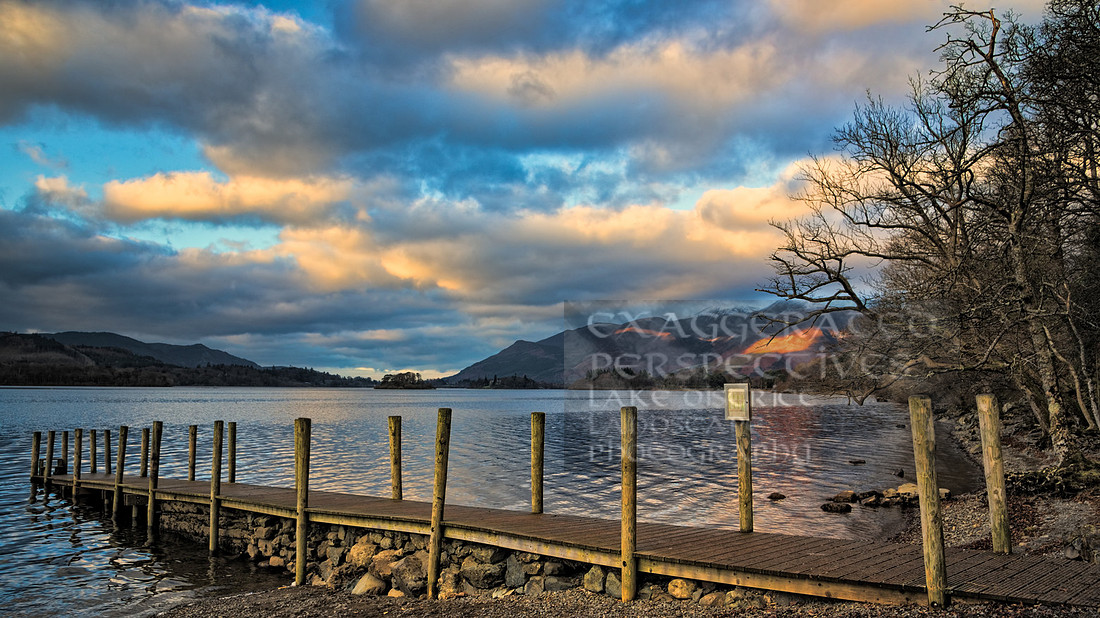
The Wide-Angle Lens Conundrum
The Wide-Angle Lens Conundrum
Understanding the Challenges of Effective Use
Introduction
Wide-angle lenses are celebrated for their ability to capture expansive scenes, dramatic perspectives, and creative compositions. However, many photographers—both amateur and experienced—find them surprisingly difficult to use effectively. This document explores the reasons behind this conundrum and provides insights into mastering wide-angle lens photography.
Understanding Wide-Angle Lenses
A wide-angle lens is typically defined as any lens with a focal length shorter than about 35mm (on full-frame cameras). These lenses offer a broader field of view, allowing more of the scene to be included in the frame. While this seems advantageous, it introduces several complexities that can hinder effective use.
Distortion and Perspective
One of the most significant challenges is distortion. Wide-angle lenses exaggerate the distance between objects in the foreground and background, making near objects appear much larger and distant objects much smaller than they actually are. This distortion can be used creatively, but if not controlled, it can result in unnatural or distracting images.
Additionally, straight lines near the edges of the frame may bend, especially with ultra-wide or fisheye lenses. Architectural photography, for example, often suffers from converging verticals and warped horizons when using wide-angle lenses without correction.
Composition Difficulties
Because wide-angle lenses capture so much of the scene, composing a balanced and engaging image becomes more challenging. The increased field of view often leads to cluttered frames, with too many elements competing for attention. Effective use requires careful selection of a strong foreground subject and thoughtful arrangement of background elements to avoid visual chaos.
Foreground interest is crucial; without it, images can feel empty or lacking in depth. Getting close to subjects and using leading lines can help guide the viewer’s eye, but this demands a deliberate compositional approach.
Managing Depth of Field
Wide-angle lenses inherently have a greater depth of field, meaning more of the scene will be in focus. While this can be beneficial, it makes isolating subjects with background blur (bokeh) more difficult. Photographers must rely more on compositional techniques rather than selective focus to draw attention to the subject.
Light and Exposure Challenges
With a larger portion of the scene captured, wide-angle lenses may include areas of both bright and dark exposure, complicating metering and post-processing. Highlights and shadows can be more pronounced, requiring skillful adjustments to retain detail across the frame.
Tips for Effective Use
- Get Close: Move closer to your main subject to make it stand out, and use the lens’s perspective distortion to your advantage.
- Mind the Edges: Check the frame edges for distracting elements or distortion, and adjust your composition accordingly.
- Use Leading Lines: Incorporate strong lines or shapes to guide the viewer’s eye through the image.
- Balance the Scene: Simplify the composition by removing unnecessary elements and focusing on a clear subject.
- Correct Distortion: Use lens correction tools in post-processing to fix bent lines and converging verticals, especially in architectural shots.
Conclusion
Wide-angle lenses offer immense creative potential but present unique challenges that can make effective use elusive. Mastering them requires a keen eye for composition, an understanding of perspective and distortion, and a willingness to experiment. With practice and attention to detail, the wide-angle lens conundrum can be overcome, resulting in dynamic and compelling images that make the most of this versatile photographic tool. They must however be used wisely and only when the scene demands it, which is of course up to the individual…
Jules