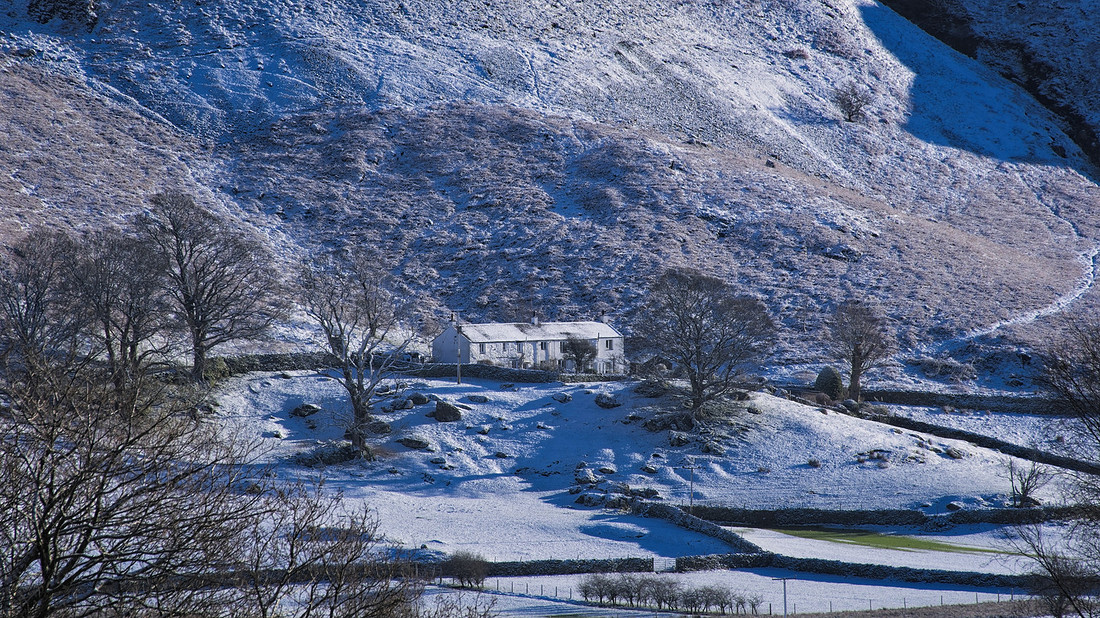
Seeing a picture in photography is the art of recognizing potential before the shutter clicks
Seeing a picture in photography is the art of recognizing potential before the shutter clicks. It is the process of translating a three-dimensional, chaotic world into a compelling two-dimensional story by isolating light, shadow, and geometry. Truly seeing means moving past passive looking and learning to observe like a photographer. The Act of Visual Selection To "see" a picture is to make deliberate decisions about what belongs in your frame and, just as importantly, what to leave out. The human brain constantly acts as a filter, prioritizing safety and movement while ignoring background details. A photographer must override this instinct and force their mind to notice the way light strikes a wall, a fleeting gesture on a street, or the texture of a landscape. Look Beyond the Obvious: Instead of focusing entirely on a main subject, scan the corners of your environment. Often, changing your vantage point by kneeling low or shooting from above drastically alters the mood of the shot. Understand the Light: Photography is quite literally the study of light. Observe the direction, quality, and softness of the light before bringing the camera to your eye. Isolate Your Elements: Use depth of field (your aperture) to remove distractions or bring context to the background. A good composition provides a sense of balance and rightness to the viewer. Moving from Looking to Seeing There is a profound difference between looking and seeing. Looking is a survival mechanism; seeing is a creative process. You can begin to train your creative vision by actively practicing visual mindfulness: Observe Without a Camera: Take walks without your gear and simply note scenes that catch your eye. Imagine how they would look as a finished, flat photograph. Review Your Previous Work: Art historian Carl Chiarenza famously noted that "pictures come from pictures." Reviewing your own best images helps you recognize your unique personal style, whether it involves a focus on sharp symmetry, minimalistic forms, or bold, eye-popping color. Engage Your Senses: What attracts you to a scene? Isolate those emotions and translate them into visual elements like contrast, lines, and shapes. Ultimately, the process of seeing a picture belongs solely to the photographer. Two individuals standing in the exact same spot will see entirely different stories. Seeing differently—and sharing that unique viewpoint with the world—is the beating heart of the craft.
Examples of Photography Techniques: Practical techniques can help turn observation into stronger images. The rule of thirds involves imagining the frame divided into nine equal parts by two horizontal and two vertical lines. Placing the main subject along these lines, or where they intersect, often creates a more balanced and dynamic composition than placing everything in the centre. In a landscape, for example, the horizon might sit on the upper third to emphasise the land, or on the lower third to give more importance to the sky. Leading lines use visible paths, roads, fences, railings, shadows, or architectural edges to guide the viewer’s eye through the photograph. These lines can create depth and movement, especially when they lead towards the main subject or disappear into the distance. Framing means using natural or built elements, such as doorways, windows, arches, branches, or gaps between buildings, to surround the subject and draw attention to it. This can make an image feel more intentional and layered. Depth of field controls how much of the image appears sharp. A wide aperture can blur the background and isolate a subject, which is useful for portraits or close-up details, while a smaller aperture keeps more of the scene in focus, making it effective for landscapes and documentary images. Silhouettes are created by placing a subject against a brighter background, such as a sunset or strong window light, so that the subject becomes a dark shape. This removes small details and makes gesture, outline, and mood more important. Reflections in water, glass, mirrors, or polished surfaces can introduce symmetry, repetition, or visual surprise, encouraging the viewer to look twice. Shadows can add drama, pattern, and contrast; a simple wall or street can become visually interesting when strong light creates bold shapes across it. Finally, motion blur uses a slower shutter speed to show movement rather than freeze it. Flowing water, passing traffic, or people walking through a city can appear energetic and atmospheric when some movement is allowed to blur. Each of these techniques helps the photographer make deliberate choices, transforming ordinary scenes into images with structure, mood, and meaning.