Learning to See Again: Rediscovering My Photography Mojo Through Black and White
Learning to See Again: Rediscovering My Photography Mojo Through Black and White
There was a time when I carried my camera almost everywhere. It was less an object than a companion, a small permission slip to be curious. I noticed puddles after rain, the slant of afternoon light across brick, the shape of strangers passing through a station, the quiet geometry of ordinary streets. Photography made the world feel newly available to me, as if every walk might reveal something worth keeping.
Then, slowly and almost without my noticing, that feeling faded. The camera stayed at home more often. When I did take it out, I found myself second-guessing everything: the composition, the light, the subject, even the reason for taking the photograph in the first place. Colour seemed especially noisy. It demanded decisions I did not feel able to make. Was the sky too flat? Was the red sign distracting? Did the scene look dull, or was I the dull one?
I told myself I had lost my eye. What I had really lost, I think, was trust. I had become too concerned with making pictures that looked finished, polished, impressive. I was chasing the kind of image that might make sense to other people before it had made sense to me. The more I tried to force inspiration, the further away it moved.
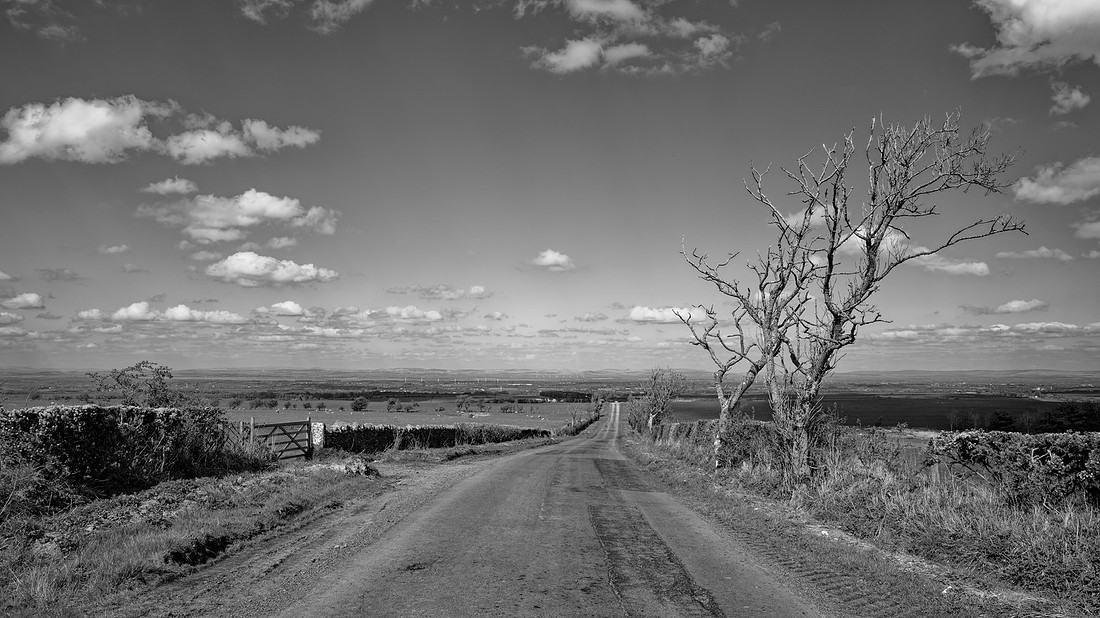
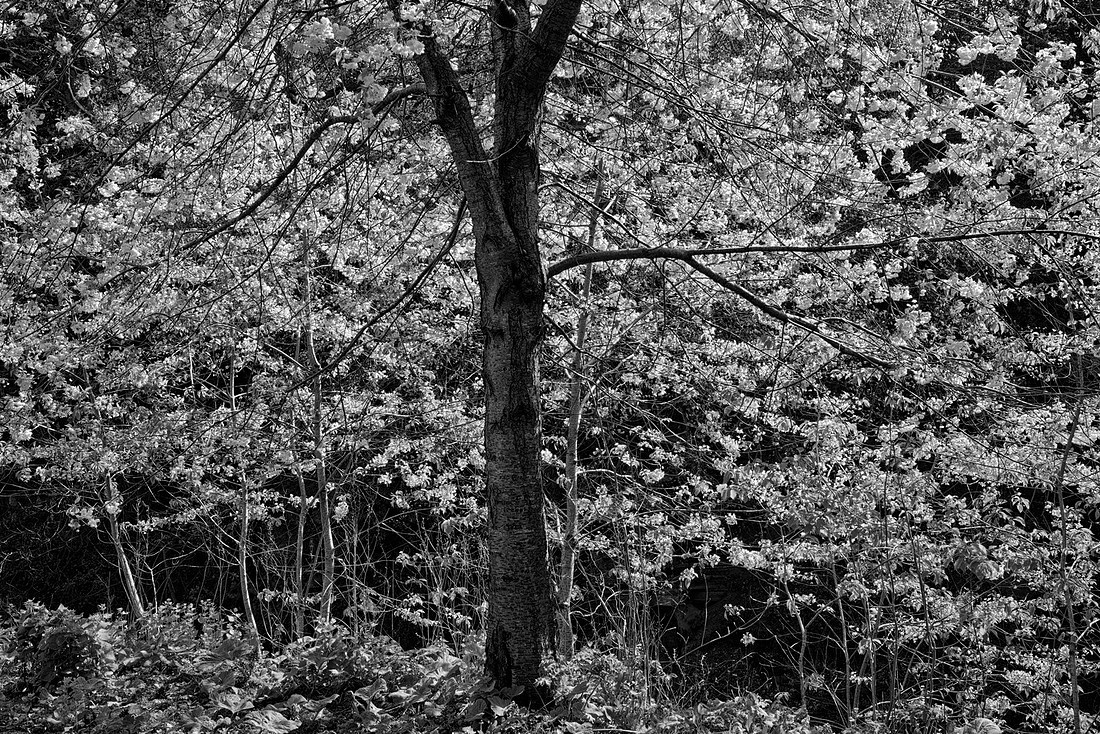
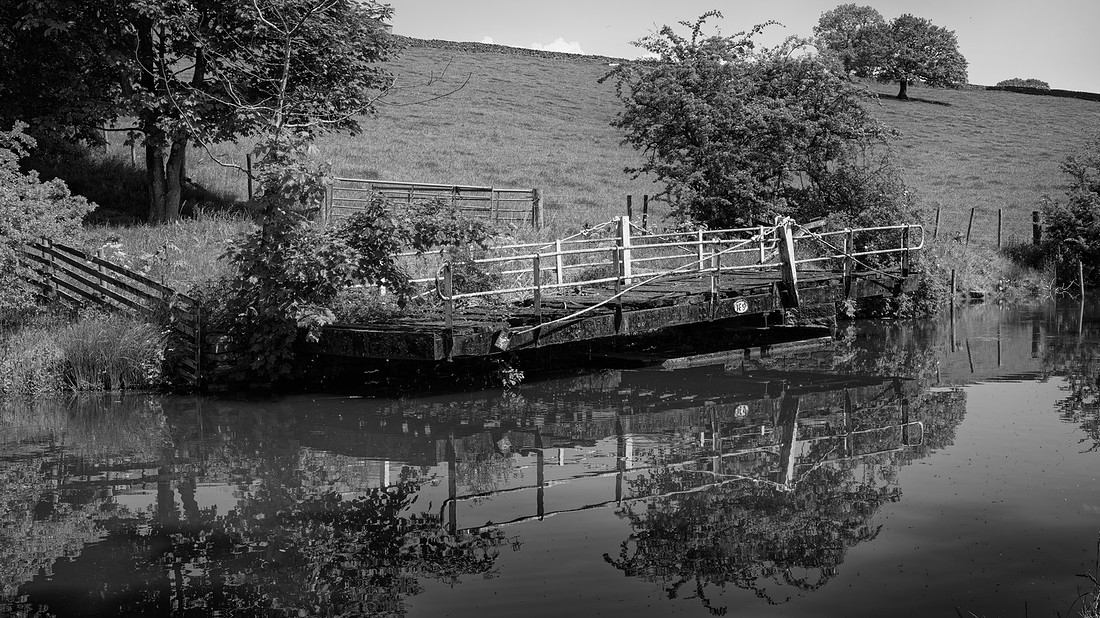
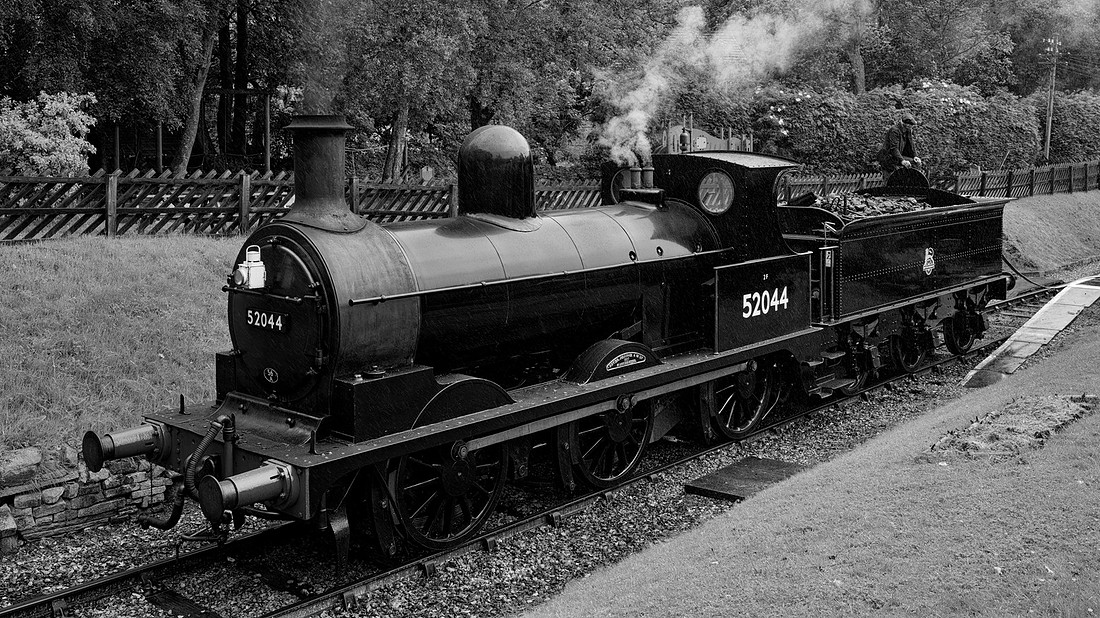
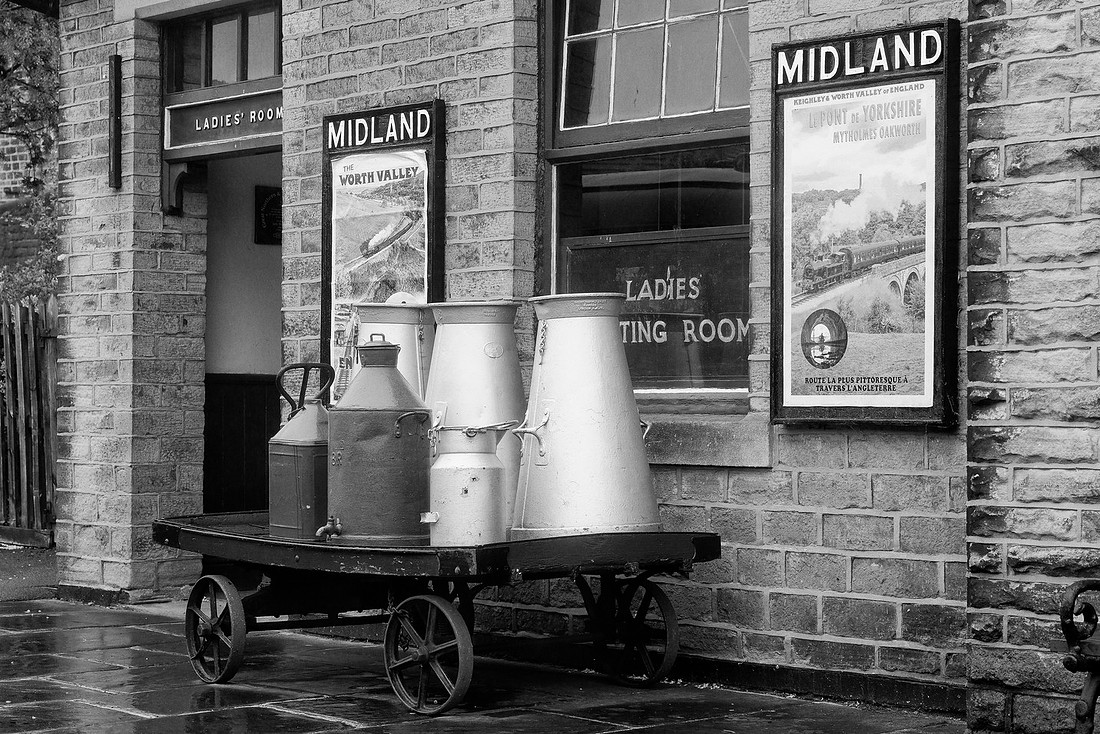
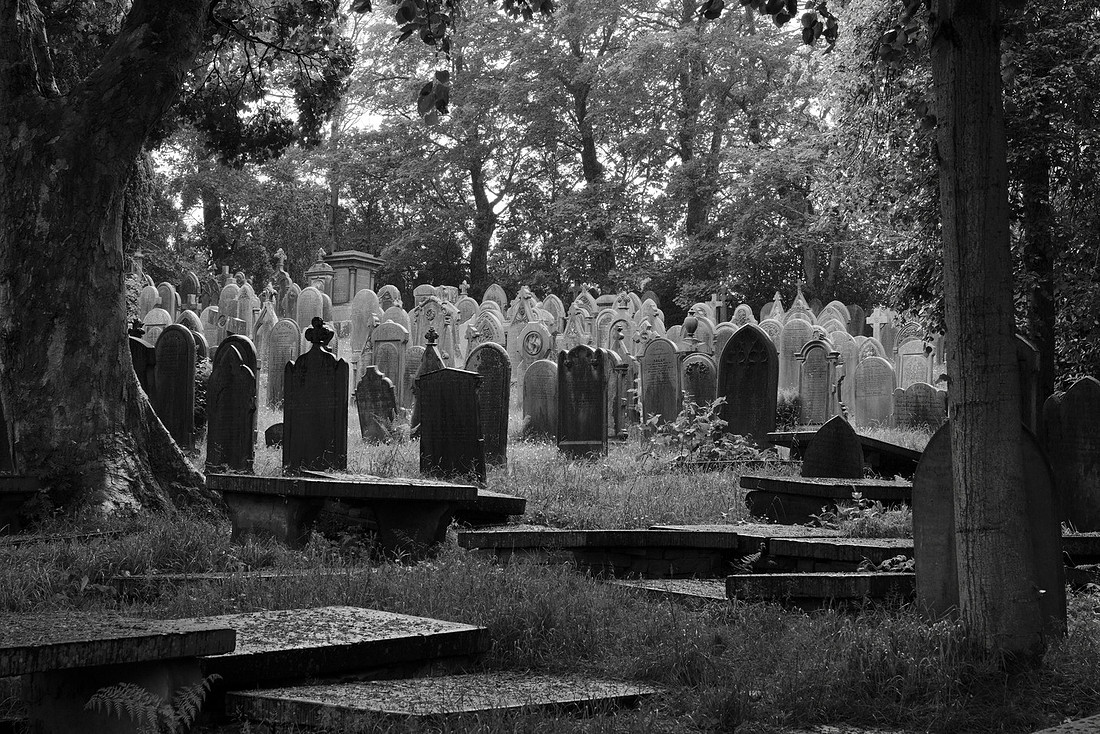
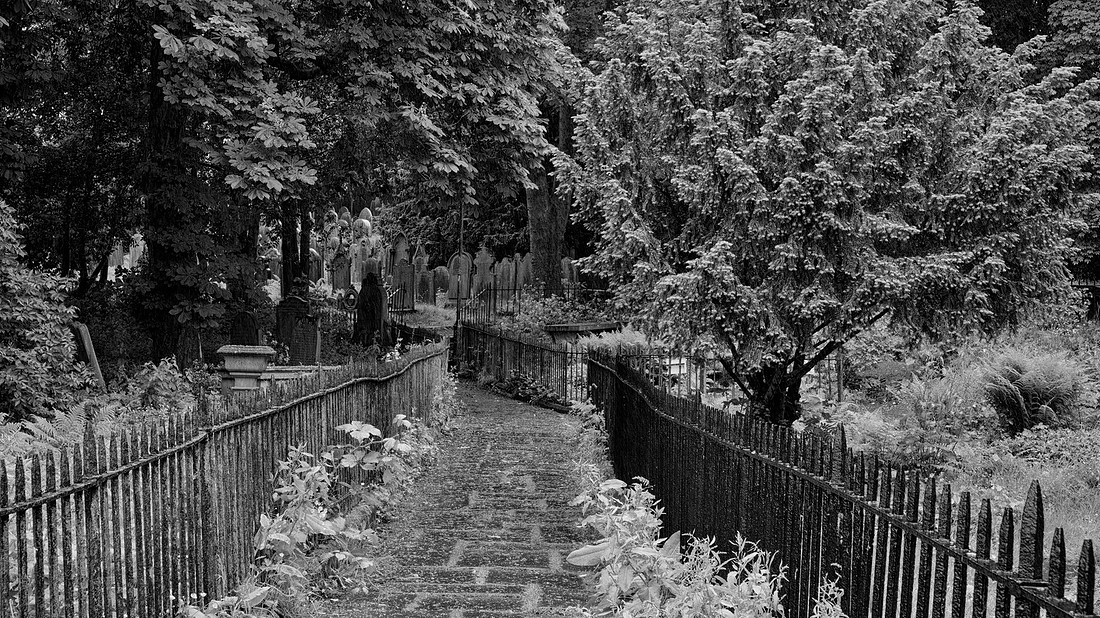
Black and white gave me a way back. At first, it was a practical choice, almost a trick. If colour was overwhelming me, I would remove it. I would stop asking the image to be vibrant and start asking whether it had shape, contrast, texture, mood. Without colour, the world became simpler but not smaller. In fact, it opened up. A wet pavement became a ribbon of silver. A cloudy sky became a study in weight and softness. A face, a wall, a tree, a doorway: each seemed to carry more presence when I stopped looking for brightness and began looking for tone.
There is a discipline to black and white photography that I had forgotten I needed. It asks you to slow down. It rewards patience. It does not hide a weak image behind a beautiful colour palette. It makes you pay attention to the bones of a photograph: where the light falls, where the darkness gathers, how lines lead the eye, how silence can become part of the frame. I began to understand that my problem had not been a lack of subjects. It had been a lack of attention.
The more I worked in monochrome, the less I felt the need to produce something remarkable every time I lifted the camera. I began making photographs for the pleasure of noticing again. Some were ordinary. Some failed completely. A few surprised me. But even the failures felt useful because they were evidence that I was looking, trying, responding. The camera became lighter in my hands. The pressure eased. I was no longer trying to prove that I was a photographer; I was simply practising how to see.
Black and white did not magically restore my creativity. It did something better: it gave me a smaller doorway back into it. It reminded me that photography is not only about capturing what is in front of the lens, but about being awake enough to recognise it. It taught me that limitation can be generous, that removing one element can reveal others, and that sometimes the quickest way to recover a lost instinct is to stop demanding that it return all at once.
I still have days when I feel creatively flat. I still come home with images that do not say what I hoped they would say. But now I know that the answer is not always to look harder. Sometimes it is to look more simply. Through black and white, I have found my way back to shadows, shapes, light, and the quiet thrill of noticing. I am learning to see again, one frame at a time.