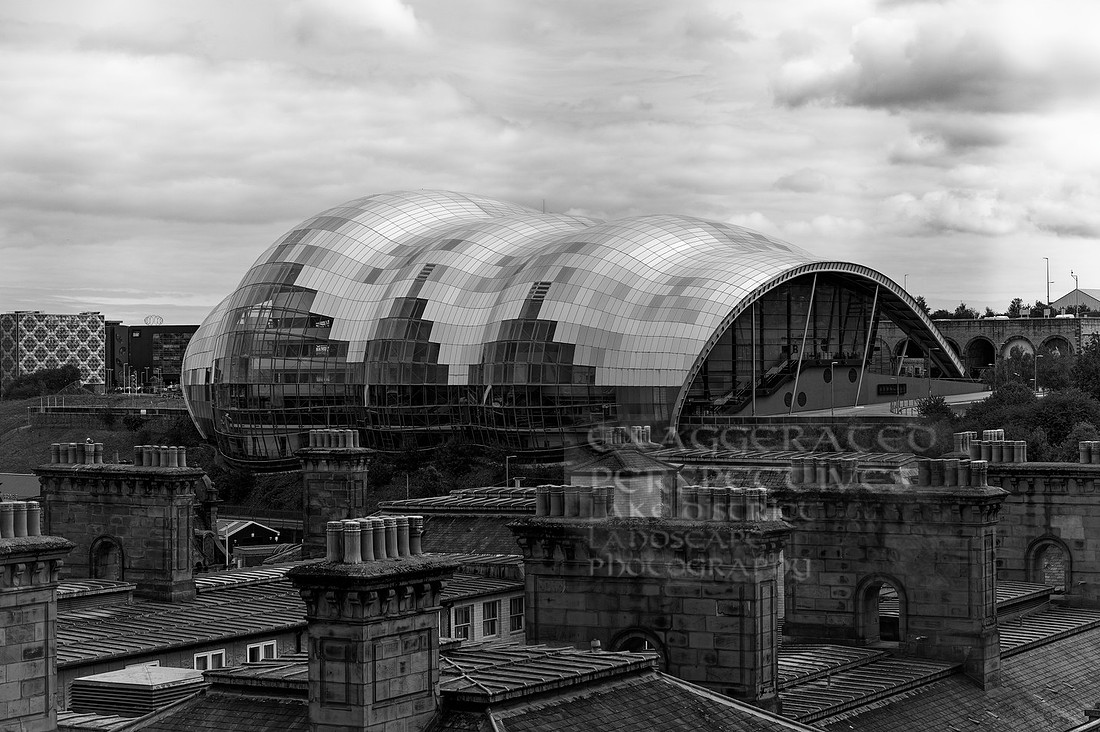
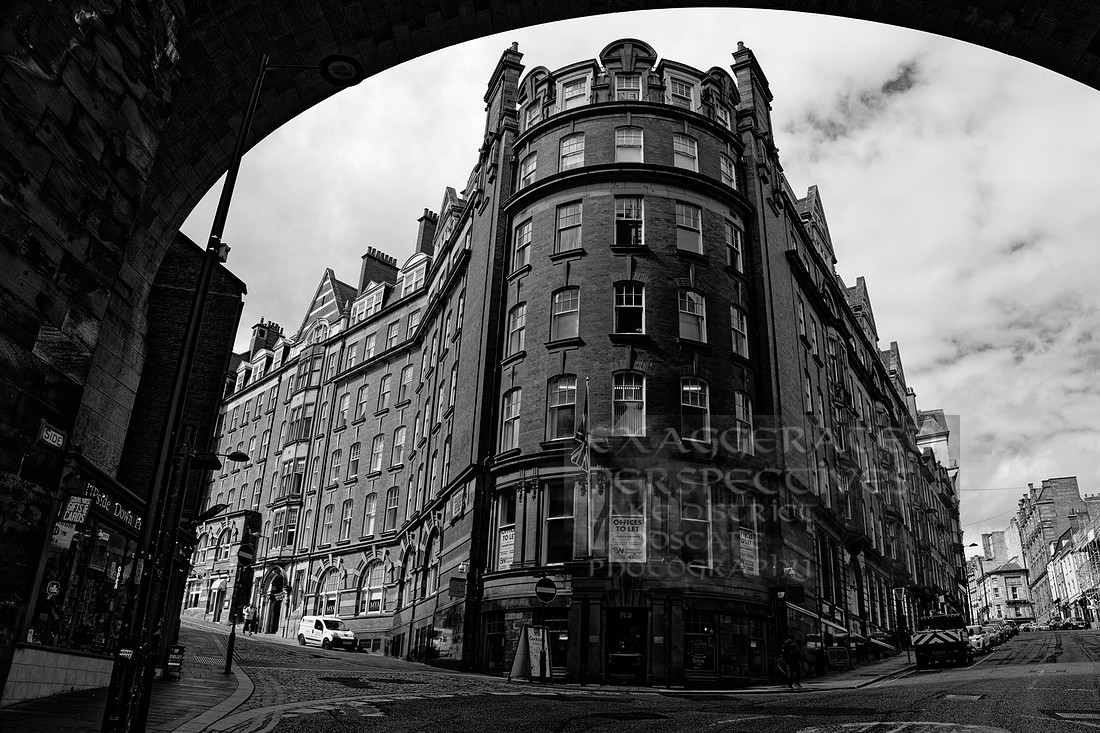
The Panasonic 28-200mm F4-7.1 Lens, Joys of an All-in-One
The Panasonic 28-200mm F4-7.1 Lens
The Joys and Pitfalls of an All-in-One Lens Solution
Introduction
The Panasonic 28-200mm F4-7.1 lens represents a versatile approach to photography, offering a broad focal range that caters to a variety of shooting scenarios. This type of lens, often referred to as a 'superzoom' or 'travel zoom', is intended to provide photographers with a single, convenient solution for everything from wide-angle landscapes to distant telephoto shots.
The Joys of an All-in-One Lens
- Versatility and Convenience
- With a focal range spanning from 28mm to 200mm, this lens allows users to capture wide vistas, portraits, and distant subjects without ever changing lenses. For travel, street photography, or casual outings, this can be a significant advantage, reducing the need to carry and swap multiple lenses in the field.
- Compact and Lightweight Design
- Superzoom lenses like the Panasonic 28-200mm are typically designed to strike a balance between reach and portability. This makes them appealing for photographers who wish to travel light and avoid the bulk of a full kit bag.
- Cost Efficiency
- Purchasing a single lens that covers such a wide range can be more economical than buying several separate lenses to achieve the same coverage. This is particularly beneficial for beginners or those on a budget.
- Reduced Lens Changes
- Frequent lens changes can expose a camera’s sensor to dust and debris, especially outdoors. With an all-in-one lens, there is less need to switch lenses, which helps keep your camera cleaner and shooting uninterrupted.
- Size and Handling, it’s as small as the F1.8 Prime lenses from Panasonic!
The Pitfalls of an All-in-One Lens
Image Quality Compromises
- To achieve such a broad zoom range in a compact package, optical compromises are often necessary. Superzoom lenses can suffer from issues like distortion, chromatic aberration, and softness, particularly at the extreme ends of the focal range. While modern lens design has mitigated some of these issues, image quality may not match that of prime lenses or professional-grade zooms.
- Limited Aperture
- The variable aperture of F4-7.1 means the lens allows less light to reach the sensor as you zoom in. This can make shooting in low-light conditions challenging and may necessitate higher ISO settings, which can introduce noise. It also limits the ability to achieve a shallow depth of field for subject separation.
- Autofocus Performance
- Superzoom lenses can sometimes focus more slowly or less accurately compared to their more specialised counterparts, especially in low-light conditions or when tracking fast-moving subjects.
- While more compact than carrying multiple lenses, superzooms are often larger and heavier than a standard kit lens. Extended to 200mm, the lens may also become front-heavy, affecting handling balance on smaller camera bodies.
- This one starts at 28mm, pretty wide but some start at 24mm or even now 20mm.
Who Is This Lens For?
The Panasonic 28-200mm F4-7.1 lens is ideal for photographers seeking flexibility and simplicity. It is especially suitable for travel, family events, and outdoor adventures where changing lenses is impractical. However, those with a keen eye for image quality or who regularly shoot in challenging lighting conditions may find its limitations more apparent.
Conclusion
An all-in-one lens such as the Panasonic 28-200mm F4-7.1 provides a compelling option for those prioritising convenience and versatility. While it cannot rival specialist lenses in terms of optical performance or speed, it excels in situations where carrying a single lens is key. Ultimately, the decision comes down to weighing the joy of simplicity against the potential pitfalls in image quality and performance.
Stands up well on the S1R MkII and makes my “Full Frame” (Hate that term!) system about as light and convenient as my APSC Fuji system was.