Key Photography Trends in 2025
Key Photography Trends in 2025
Photography in 2025 is defined by the integration of cutting-edge technology, a strong emphasis on authenticity, and a growing appreciation for both vibrant and minimalist visual styles. As the industry continues to evolve, photographers are adapting to new tools and shifting audience preferences, ensuring their work remains relevant and engaging.
Key Trends in Photography
Several major trends are shaping the photographic landscape this year, each offering unique opportunities for creative expression and technical innovation.
- AI in Photography: Artificial intelligence is revolutionising how photographers approach their craft. From advanced autofocus systems built into cameras to AI-powered editing software, technology is streamlining once-complex tasks. As a result, photographers can focus more on creativity, using AI to enhance their work and achieve high-quality edits with greater ease.
- Authenticity and Mental Health: There is a notable shift towards authenticity, with photographers capturing genuine moments and real-life experiences. This movement is closely linked to increased mental health awareness, as it encourages the documentation of sincere emotions and personal stories.
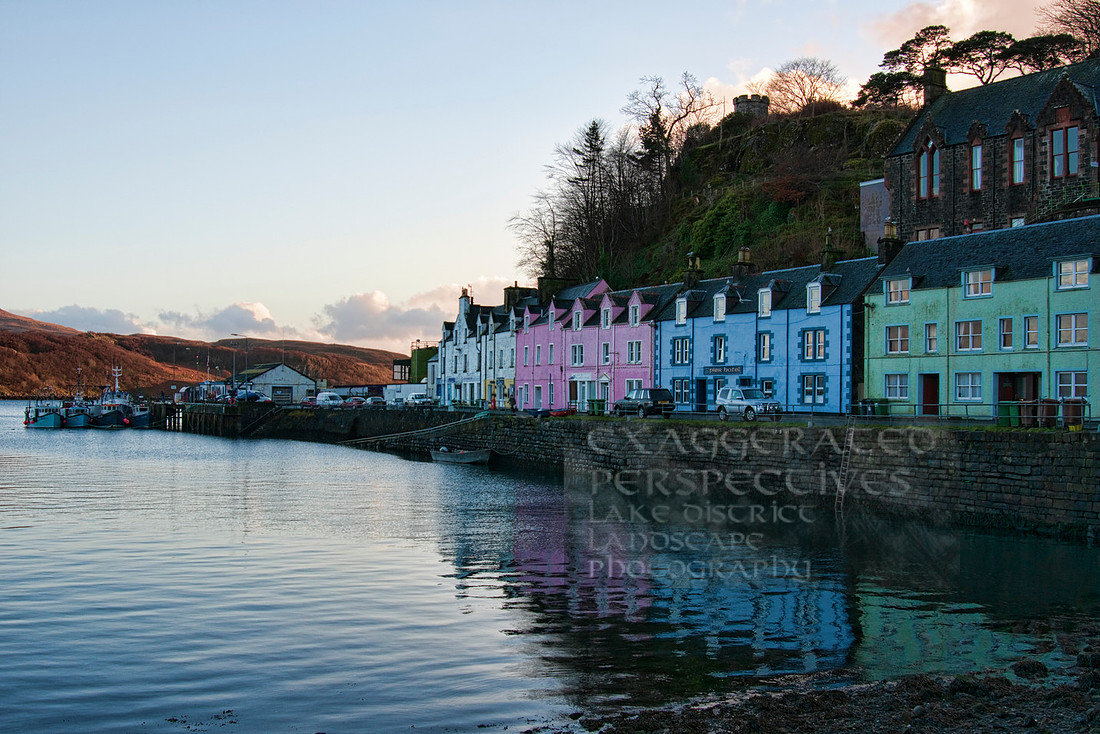
- Vibrant Colours and Minimalism: The use of bold, vibrant colours is gaining popularity, creating striking and memorable images. At the same time, minimalism remains influential, allowing photographers to communicate powerful messages through simplicity and restraint. This combination provides a diverse palette for visual storytelling.
- Self-Portraiture: Self-portraiture is experiencing a resurgence, enabling photographers to explore themes of identity and personal narrative. This trend fosters creativity and encourages individuals to express themselves through their work.
- Vertical Framing: The dominance of mobile photography and the widespread use of social media platforms have made vertical framing increasingly common. This format not only caters to mobile viewing preferences but also aligns with the design of many popular platforms.
- Nostalgia and Retro Aesthetics: Contemporary photography is drawing inspiration from past decades, particularly the visual styles of the 1960s, 70s, and 80s. By blending modern techniques with retro aesthetics, photographers are creating images that feel both fresh and familiar.
- Still Life and Product Photography: There is a renewed focus on still life, where photographers craft mood and narrative using inanimate objects. Product photography continues to be vital for brands, with a strong emphasis on creating visually compelling images that capture the viewer's attention.
- Mobile Photography Dominance: As smartphone cameras become more advanced, mobile photography is taking centre stage. Photographers are increasingly adapting their approaches to harness the capabilities of these devices, making high-quality photography more accessible than ever.
Staying informed about these trends enables photographers to refine their skills, respond to changing audience demands, and produce visual narratives that resonate within a rapidly evolving landscape.
Key Trends in Landscape Photography
Landscape photography is also experiencing significant shifts in approach and subject matter, reflecting broader changes in technology, ethics, and creative priorities.
- Sustainable and Ethical Practices: Environmental consciousness is at the forefront for many landscape photographers. Adopting leave-no-trace principles and promoting conservation, they strive to minimise their impact on natural settings while respecting local communities and ecosystems.
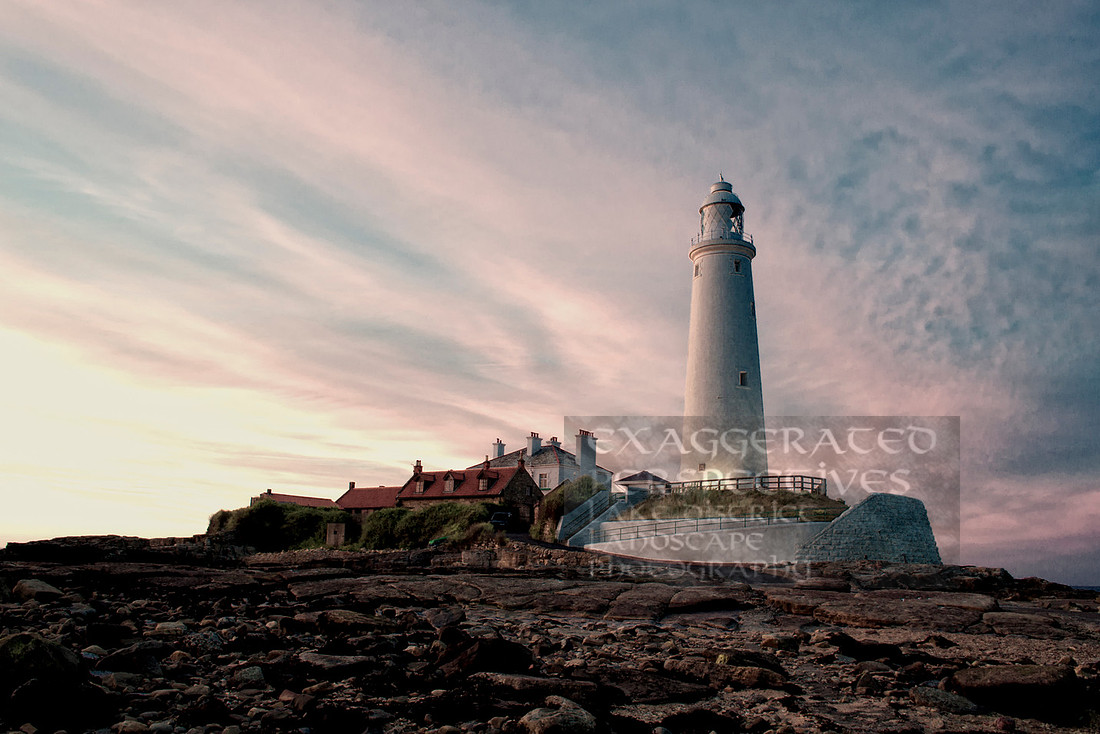
- Dramatic Lighting and Weather Conditions: Pursuing unique lighting scenarios such as golden hour, blue hour, and stormy weather, photographers are able to inject mood and drama into their landscapes. Capturing fleeting moments of atmospheric change lends depth and emotion to their images.
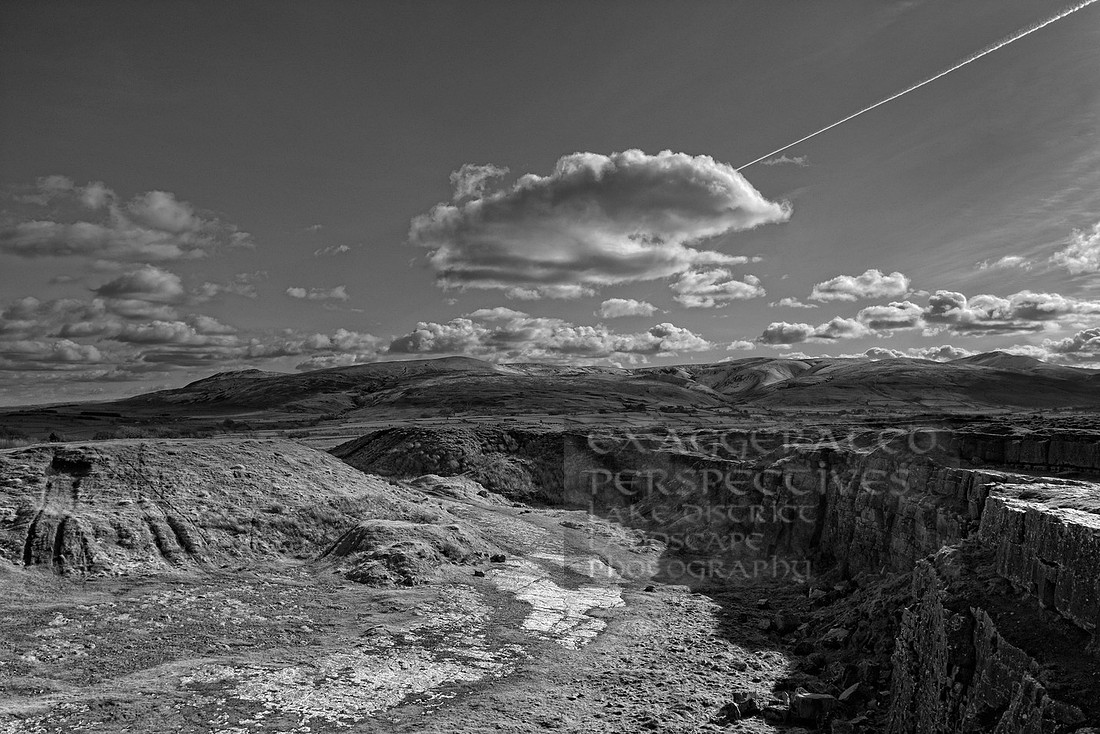
- Minimalism and Negative Space: Minimalist compositions that make use of negative space are increasingly popular. This approach highlights the beauty of simplicity, focusing on subtle details, textures, and tranquil environments.
- Aerial and Drone Photography: Drone technology has opened up new possibilities, granting photographers the ability to capture landscapes from above. These aerial perspectives reveal patterns, shapes, and scales that would otherwise remain unseen, broadening creative horizons.
- Post-Processing and Colour Grading: Sophisticated editing techniques, including colour grading and exposure blending, are being used to enhance the visual impact of images. Many photographers seek a balance between maintaining natural aesthetics and achieving artistic expression.
- Inclusion of Human Elements: Introducing people or subtle traces of human activity into expansive landscapes adds scale and narrative depth. This trend helps create a sense of adventure and invites viewers to connect more personally with the scene.
- Focus on Local Landscapes: With travel restrictions and a renewed appreciation for the familiar, photographers are increasingly turning their attention to local scenery. This has led to the discovery and celebration of less-visited, yet equally beautiful, locations.
By embracing these developments, landscape photographers can produce images that are both visually impressive and meaningful, resonating with audiences who value responsibility, innovation, and authenticity in contemporary photography.