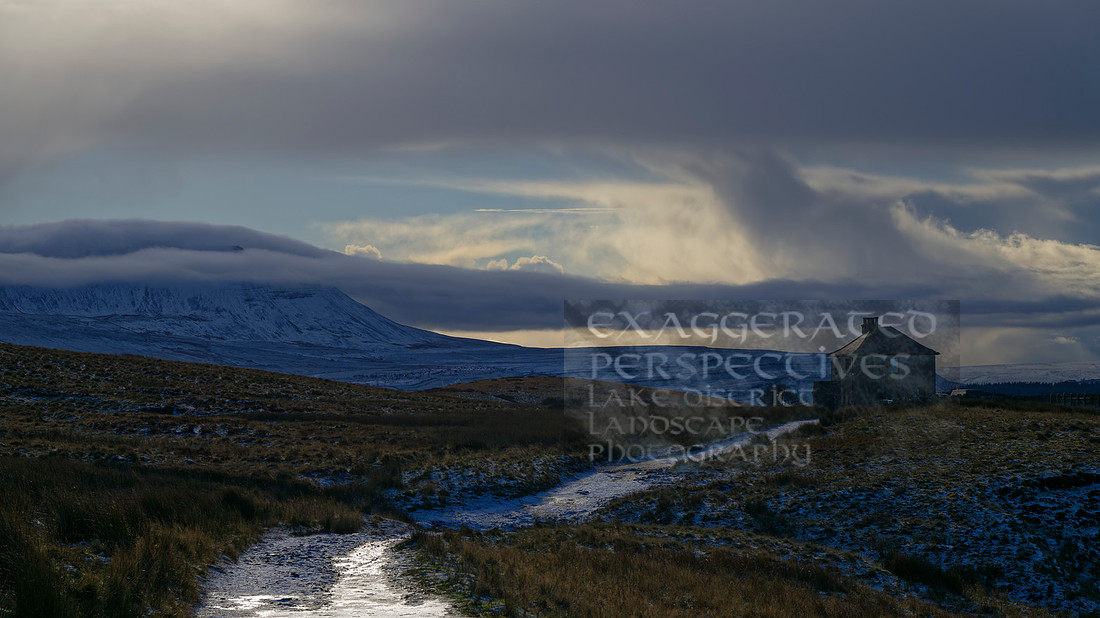
Why Photographers Still Reach for Full Frame?
The Enduring Appeal of “Full Frame” Cameras
Why Photographers Still Reach for Full Frame?
In the dynamic world of photography, technology is in constant flux. Sensors shrink, algorithms become smarter, and the smartphone in your pocket produces images once unimaginable from such a small device. Yet, amid all this change, there remains a particular allure to the “full frame” camera—a magnetic draw that persists for both professionals and passionate hobbyists alike. But what exactly is it about full frame cameras that continues to captivate the hearts and minds of photographers around the globe?
Understanding “Full Frame”
To appreciate the draw of the full frame camera, it helps to start with a definition. In digital photography, “full frame” refers to a camera sensor that is approximately the same size as a frame of 35mm film: about 36mm x 24mm. This is larger than the sensors found in APS-C, Four Thirds, or most compact cameras. The term itself elicits a sense of completeness, harking back to the golden age of film photography, when 35mm ruled as the standard.
The Magic of Image Quality
One of the most compelling reasons photographers pursue full frame cameras is the unmistakable leap in image quality. The larger sensor gathers more light—not just more photons, but a richer, cleaner signal that translates into finer detail and less noise, especially in low light situations. Shadows are rendered with subtlety, highlights with grace. The dynamic range—the ability to capture details in both the brightest and darkest parts of a scene—is often superior.
With a full frame sensor, images have a certain depth and dimensionality, a quality that is difficult to quantify but easy to feel. Portraits appear more lifelike, landscapes carry a grander sense of scale, and textures become tactile. Even for those who shoot primarily in JPEG, the files from a full frame sensor exhibit a smoothness and latitude that post-processing enthusiasts adore.
The Enchantment of Shallow Depth of Field
A full frame sensor’s physical size allows for a shallower depth of field at equivalent focal lengths and apertures compared to smaller sensors. Simply put, this means creamy, dreamlike backgrounds—bokeh—that isolate subjects and make them pop. While APS-C and Micro Four Thirds systems can achieve some background blur, the effect is most pronounced with full frame. Wedding and portrait photographers, in particular, find this quality irresistible; the ability to throw a background into a soft haze while keeping the subject razor sharp is an aesthetic signature made easier with full frame.
Lens Choices and Legacy Glass
Full frame cameras often unlock the full potential of lenses, especially those designed for the 35mm film format. Vintage glass, with its characterful imperfections, can be adapted to modern bodies with stunning results. For professionals, the full range of premium lenses—fast primes, versatile zooms, tilt-shift marvels—are engineered with the full frame sensor in mind.
Moreover, a 50mm lens on full frame behaves just as it did in the film era, with no crop factor to consider. This makes composition more intuitive for those accustomed to traditional focal lengths and simplifies the translation of vision to final image.
Low Light Prowess
Low light is where full frame cameras truly shine. With larger photosites (the individual light-sensitive elements on the sensor), these cameras excel at gathering light efficiently. The result is less digital noise, greater detail, and smoother gradations even at high ISO settings. Event and concert photographers, who often work in challenging lighting, are especially drawn to this capability. Nightscape and astrophotographers acclaim the ability of full frame sensors to render stars as pinpoints, revealing celestial wonders with clarity.
Dynamic Range and Color Depth
Dynamic range—the spectrum of tones a camera can capture from darkest shadow to brightest highlight—is a hallmark of full frame sensors. This is not just a technical metric; it gives photographers confidence to shoot in high-contrast scenes, knowing they can recover details in post-processing. Coupled with superior color depth, full frame images are often richer and more nuanced, which is essential for fine art and commercial work.
Robust Build and Professional Features
Full frame cameras are frequently the flagship models for their manufacturers. As such, they come equipped with the latest autofocus systems, robust weather sealing, dual card slots, and higher frame rates. The camera bodies themselves are often constructed with magnesium alloy or other durable materials, offering a reassuring heft and reliability that professionals demand.
The Intangible Factor: The Photographer’s Experience
Beyond specifications and test charts, there is a less tangible, emotional draw to full frame cameras. Holding a well-built full frame camera is an experience unto itself; the weight, the ergonomics, the satisfying click of a mechanical shutter—it all contributes to a sense of purpose. For many photographers, the camera is an extension of self, and full frame bodies often feel “just right” in the hands.
Furthermore, shooting with a full frame camera can be an act of intention. The investment—both financial and emotional—encourages one to slow down, compose more thoughtfully, and strive for excellence. The results often reflect that dedication.
Who Should Consider Full Frame?
The draw of full frame is undeniable, but is it for everyone? Not necessarily. The advantages come with certain trade-offs: larger and heavier bodies and lenses, higher cost, and sometimes a steeper learning curve. For travel, street, or casual shooters, a smaller sensor may provide more than enough quality in a more portable package.
However, for those who demand the utmost in image quality, low light capability, and creative control over depth of field, the full frame camera is often the logical choice. Professionals in fields such as portraiture, landscape, fashion, architecture, and commercial photography routinely turn to full frame as their tool of choice.
The Future of Full Frame
Mirrorless technology is transforming what “full frame” means. Today’s full frame mirrorless cameras are lighter, faster, and more connected than ever, narrowing the gap in portability and usability. Sensor innovations continue to push boundaries, and new lens designs take full advantage of the larger format.
Yet, the core appeal remains: exceptional image quality, creative flexibility, and a tactile, immersive shooting experience. Even as computational photography makes astonishing strides, there is a purity to crafting an image with a full frame camera that keeps artists coming back.
Conclusion: More Than Just a Sensor Size
The draw of full frame cameras is more than numbers or specifications. It is a blend of tradition and innovation, of tactile satisfaction and artistic possibility. For many photographers, full frame represents the highest expression of their craft—a tool that inspires confidence, creativity, and the relentless pursuit of the perfect image. In a world of endless options, the full frame camera stands as both an anchor to the past and a gateway to photographic greatness.
Can you tell???
Jules.