Developing a Unique Style in the Modern Age
Developing a Unique Style in the Modern Age
The belief that "everything has been done before" is a natural concern for photographers in a saturated media environment. However, the path to developing a unique style in contemporary photography lies not in seeking pure, untouched originality, but in personal synthesis—the distinct way you combine established elements based on your unique vision and experiences.
I. Why Total Originality is a Myth (and Why That’s Liberating)
No work of art exists in a vacuum. Every photograph is inspired by, or in dialogue with, the images that came before it. Trying to force a style that is entirely new is creatively exhausting.
The most successful contemporary photographers establish their "uniqueness" by making consistent, personal choices across these three domains:
1. The Subject (The "What" and "Where")
What stories are you telling? Instead of seeking the most beautiful or famous locations, focus on meaningful repetition.
- The Specific Niche: Documenting the unique rituals of a small subculture, photographing a single neighborhood over decades, or focusing exclusively on portraits of people who share a niche profession.
- The Recurring Theme: Isolate a feeling—loneliness, excitement, decay—and consistently photograph subjects that evoke it.
2. The Technique (The "How" in the Camera)
This is about consistent mechanical choices that build a visual rhythm across your portfolio.
- Focal Length: Committing to one focal length (e.g., always shooting with a wide 24mm or a compressed 135mm) forces you to solve compositional problems the same way every time.
- Light & Shadow: Always shooting in the high-contrast light of midday, or exclusively using the soft, flat light of an overcast day.
- Movement: Consistently using long exposures to blur water or clouds, or using a fast shutter speed to freeze moments dramatically (the "decisive moment").
3. The Edit (The "Look" in Post-Production)
Post-processing is often the most visible element of a photographer's style. Consistency here is key to creating a unified body of work.
- Color Palette: Using a consistent color grade (e.g., deep greens and muted oranges, or a stylized cool/warm split).
- Contrast and Texture: Applying a specific film-like grain structure, consistently lowering the black point for a "crushed blacks" look, or keeping everything high-key and airy.
- Cropping/Aspect Ratio: Committing to a square crop (1:1), cinematic widescreen (16:9), or a vertical orientation for all your images.
II. Style as Emergence, Not Prescription
The danger is not in having a style, but in forcing one prematurely. If you start your journey by defining a strict style, it can become an overburden that stifles creativity by making you reject amazing images simply because they don't fit your pre-set aesthetic.
A good style is the visual language that emerges from your most satisfying work.
How to Let Your Style Emerge Naturally:
- Prioritize Volume and Personal Enjoyment: Shoot constantly and focus only on creating images that you find beautiful, compelling, or interesting.
- Curate Ruthlessly: After shooting for a few months, print your 15 favorite images (or organize them into a single folder). Look at them side-by-side.
- What do they share? (Is the horizon always low? Is the light always soft?)
- What are the common colors? (Teal and orange? Muted pastels?)
- What feelings do they evoke? (Solitude? Energy? Tension?)
- Define the Pattern: Once you see the pattern, give it a name and begin to consciously lean into those choices. This is where your style moves from a subconscious habit to a deliberate artistic voice.
By focusing on your intent—the unique way you observe and interpret the world—your unique style will naturally coalesce without the pressure of having to invent a technique that no one has ever thought of before.
Unique?
No
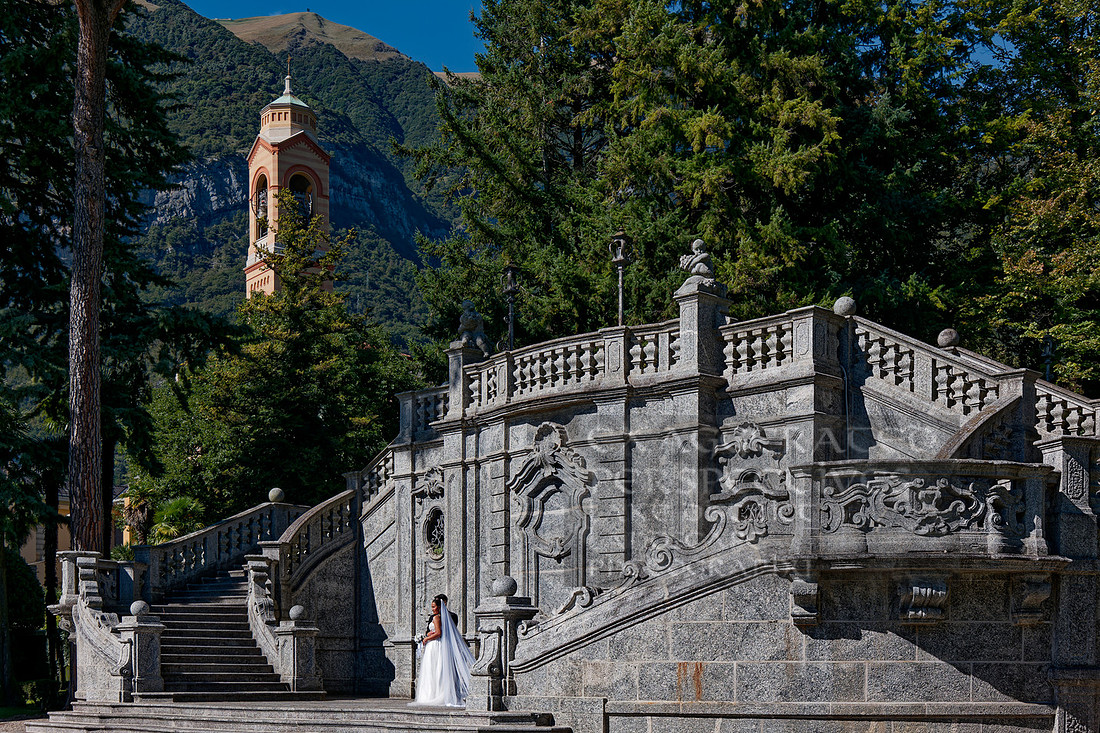
Stylish, Yeah I think she looked the part!

www.exaggeratedperspectives.com